
THE SASAGI JOURNAL · TRY IT AT STORY TIME
10 Questions to Ask Your Child While Reading a Mystery Story
What do you notice? What happens next? Ten playful prompts to help you and your child wonder together, without turning reading into a test.
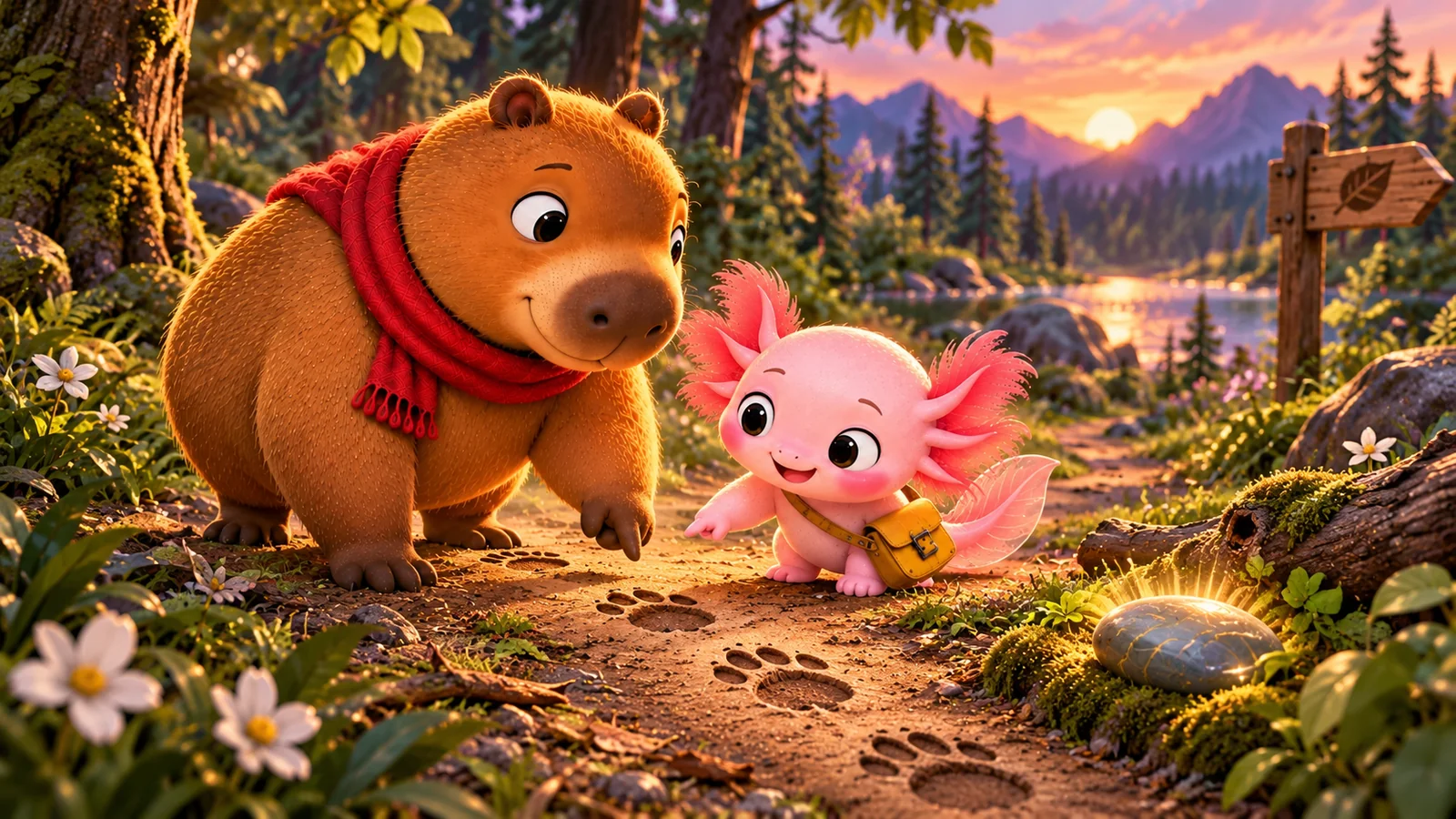
“Wait! I think I know what happened!” Your child stops you halfway through a sentence and points across the page. For a moment, the reading plan disappears. There is a theory to explain, and it apparently cannot wait.
That conversation is part of reading. Thoughtful questions invite children to notice, predict and connect ideas. The best questions to ask kids while reading fit the moment; they need no lesson plan.
Here are ten invitations to try with children around ages 4–7. Choose one or two, follow your child's interest and leave plenty of room for the story itself.
In this article
Why Ask Questions During Story Time?
A question can make room for something you would otherwise miss: a word your child does not understand, a detail they spotted, or an explanation you never considered. It can also offer practice in listening to another idea and describing their own.
The Iowa Reading Research Center describes interactive reading as conversation around a text, including its vocabulary and meaning. At home, that can begin with a simple invitation to look together. Questions during story time should feel like conversation, not a test.
For more on choosing a comfortable adventure, see why mystery stories can be engaging for children ages 4–7.
Ten Invitations to Play Detective Together
The Pebalo & Lixi examples below are imagined prompts, not scenes from particular books. Adapt them to your book or invent a mystery together.
1. What do you notice first?
An open invitation lets your child decide where to begin. It encourages observation and gives you a glimpse of what catches their attention, without hiding a right answer in the question.
Imagine Pebalo and Lixi looking across a woodland clearing. You notice the path; your child notices a shiny pebble beside Lixi. Let that detail lead for a moment.
Try this: Wait. Accept pointing or words. You can add, “I hadn't noticed that pebble.”
2. What looks unusual?
Comparing one detail with its surroundings offers practice in noticing differences. Something unusual is worth wondering about, though it may not turn out to be the most important clue.
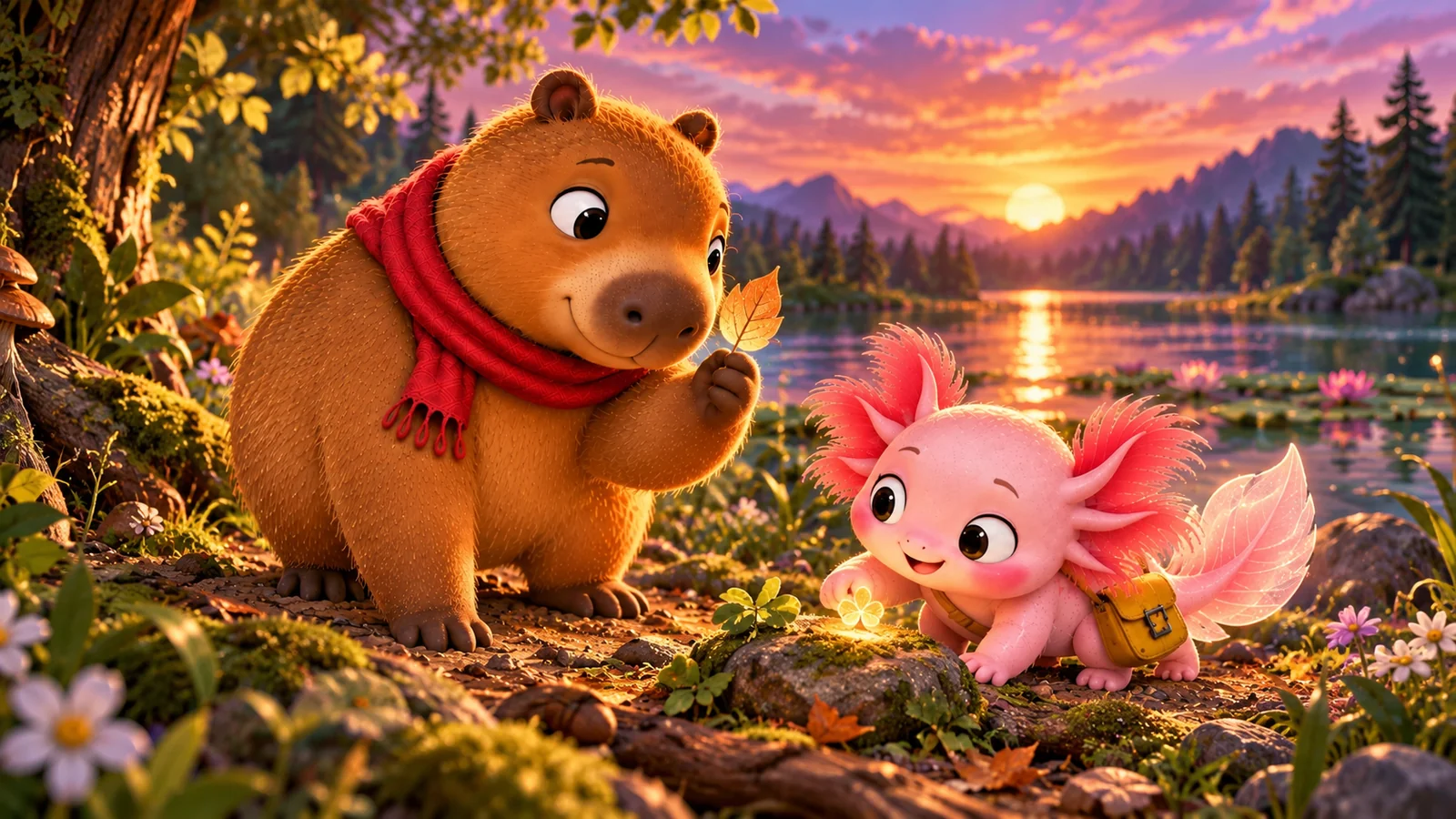
Picture Pebalo beside a line of footprints, with one pointing the other way. Lixi looks at a bright leaf nearby. Which detail makes your child want to look again?
Try this: If “unusual” is unfamiliar, say, “Does anything look different?” Keep the new word available without requiring your child to repeat it.
3. What do you think happened?
This question invites a possible explanation for what a picture shows. Connecting an imagined event with its result creates an opportunity to practise storytelling: first something happened, then something changed.
Suppose Pebalo and Lixi discover an overturned basket. Did someone bump it? Did the wind move it? Your child's version might be wonderfully unexpected.
Try this: Ask, “What made you think of that?” with interest. If they do not know, share your own uncertain guess and read on together.
4. Which clue seems most important?
Choosing between details encourages children to explain what supports their idea. It gently connects a guess with evidence, while leaving room for more than one reasonable choice.
In an invented Pebalo & Lixi mystery, a leaf, a footprint and a ribbon sit beside a path. Your child might choose the footprint because it suggests where someone went.
Try this: Offer two details if the whole picture feels overwhelming. “Would you follow the footprint or look at the ribbon?” Then listen to the reason.
5. What do you think will happen next?
Prediction invites children to connect what has happened with a possible next step. The fun lies in comparing possibilities, not proving who guessed correctly.
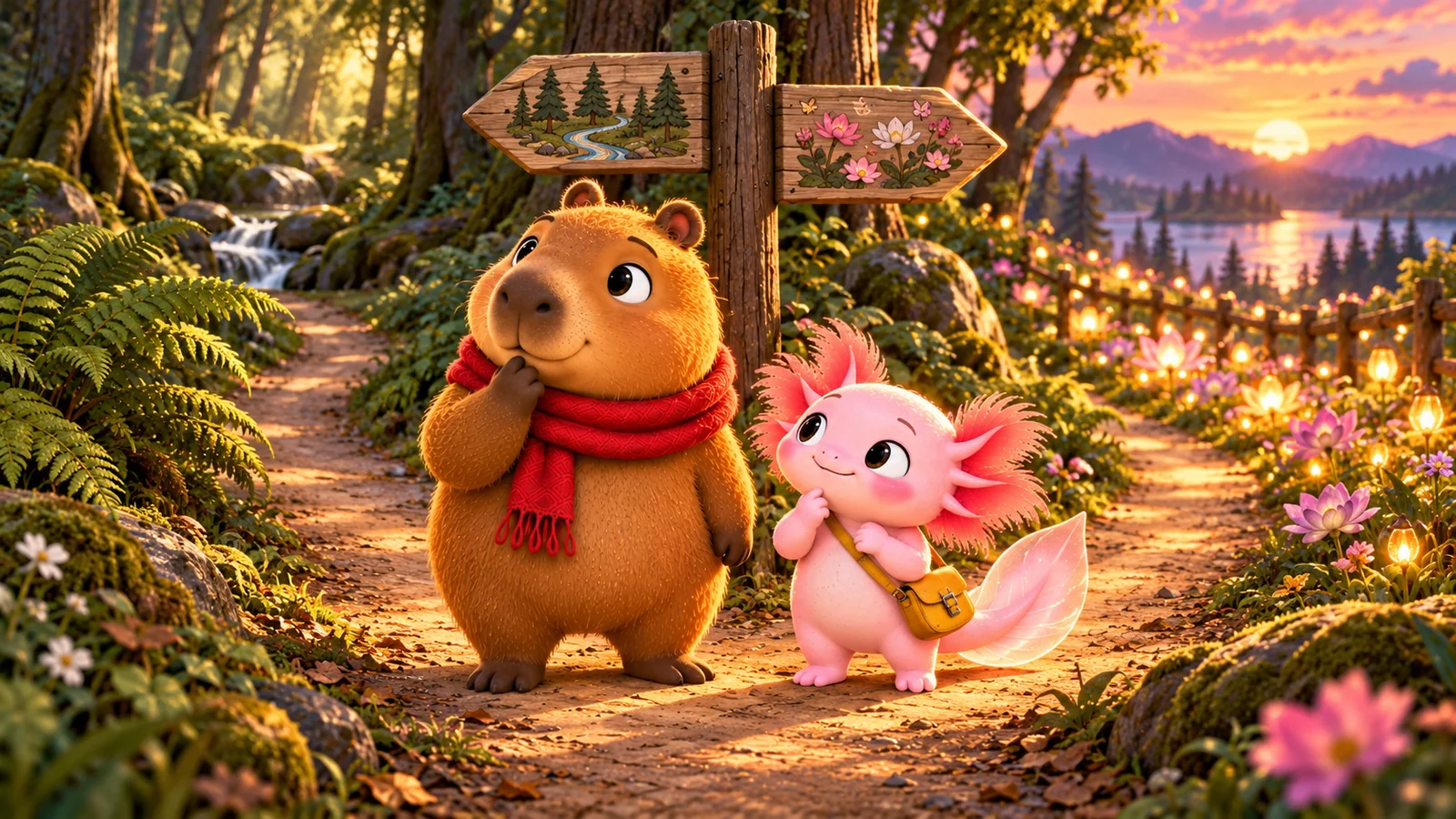
Imagine Pebalo and Lixi reaching a path that divides around a tree. One branch leads towards water; the other towards a little bridge. Which might they investigate first?
Try this: Make a different guess. Then say, “Let's see what the story chose.” A surprise gives you something to discuss.
6. What would Pebalo notice?
Thinking from a character's viewpoint offers a reason to slow down. Pebalo's thoughtful approach can invite a second look at a detail everyone hurried past.
If you imagine the friends beside a pond, ask what Pebalo might study before following a trail. Your child could choose a ripple, a bent reed or a mark in the mud.
Try this: Look quietly together. Observation needs no immediate answer; silence need not mean your child is disengaged.
7. What would Lixi explore?
This prompt moves from noticing to choosing a next step. It makes room for curiosity, planning and a child's sense of what would be interesting to investigate.
Suppose Lixi sees a leaf caught beside a small bridge while Pebalo studies the path. Where might Lixi look for another clue? What would your child suggest checking first?
Try this: Invite a finger to trace the proposed route across the illustration. A gesture can express a plan before the words are ready.
8. Do you agree with Pebalo and Lixi?
Children can enjoy a character without sharing every decision. Asking whether they agree makes space for an independent opinion and for explaining a different viewpoint.
Imagine the friends decide to follow a trail, but your child wants them to inspect the basket first. Both suggestions can be discussed without making either friend foolish.
Try this: Try, “What would you do instead?” Avoid steering your child towards your own answer. They are allowed to change their mind as new details appear.
9. Could there be another explanation?
Holding a second possibility alongside the first offers practice in flexible thinking. It also keeps a mystery playful when the first guess seems obvious.
Perhaps Lixi thinks a fluttering leaf points towards a hidden visitor. Pebalo wonders whether the breeze moved it. What else might explain the movement in your imaginary scene?
Try this: Suggest one alternative yourself, then leave the invitation open. You do not need a long list; even two ideas create something interesting to compare.
10. What mystery would you like to solve?
This question lets a child carry the story beyond its ending. Inventing a problem, a setting or a clue gives imagination a new starting point.
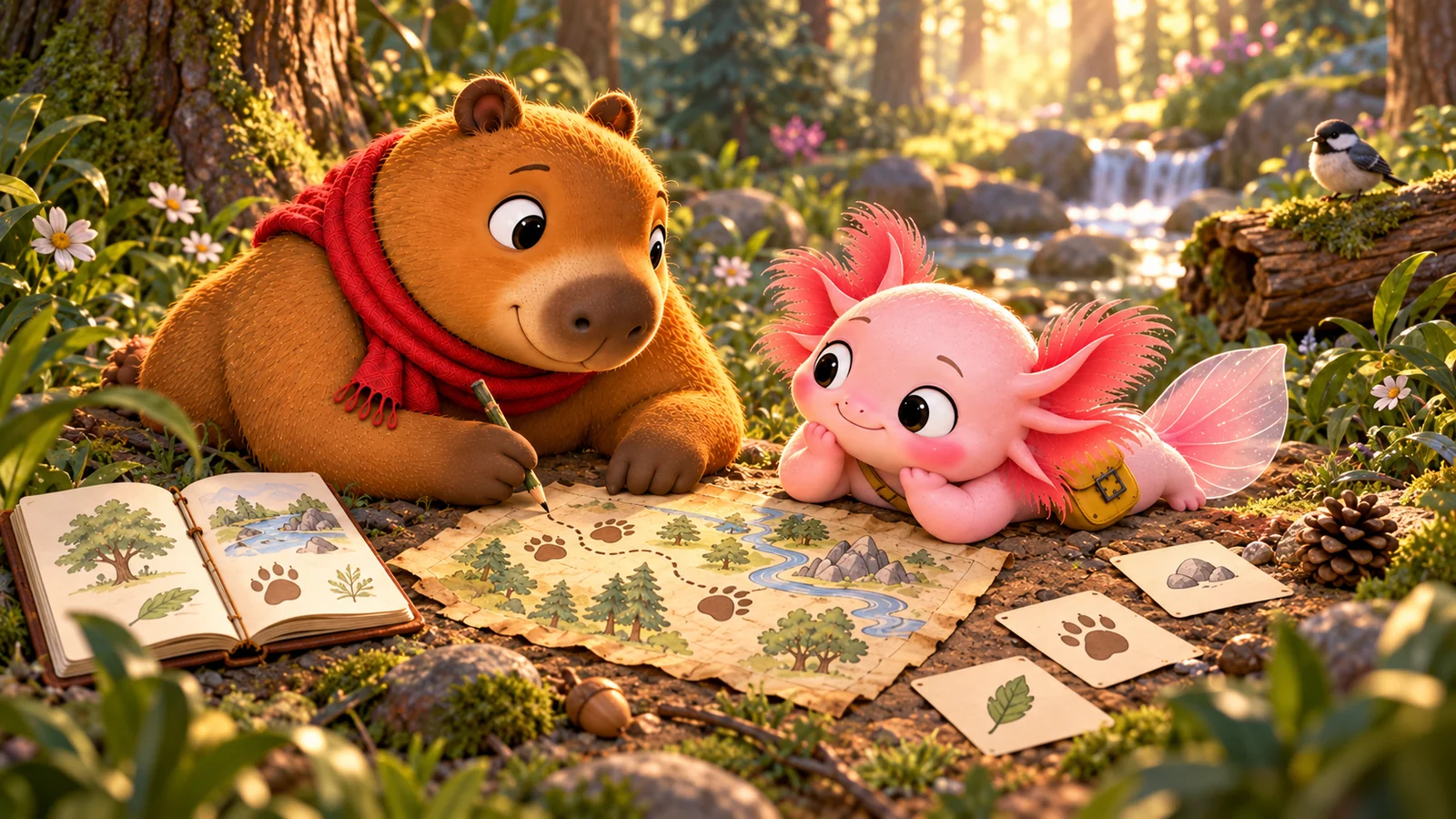
Your child might send Pebalo and Lixi to discover who moved a toy boat. A quick drawing could show where it was last seen, with an arrow towards the next clue.
Try this: Offer paper or simply listen. You can write down their words if they ask. Keep the mystery small enough to enjoy together.
Do Not Turn Reading Into a Test
Do not ask every question, correct every answer, demand full sentences or interrupt every page. Some children want to talk throughout a story; others want to hear the ending first.
“Oh! Tell me more” can be more useful than another prepared prompt. If your child says “Just read,” that is helpful guidance. Put the questions aside. Connection matters more than completing a list or getting the right answer.
Use the language your family feels comfortable speaking. The conversation belongs to both of you.

Why Re-Reading the Same Book Can Be Valuable
Knowing the ending changes the experience. Your child can notice an earlier clue, anticipate a phrase or explain something that puzzled them before. Familiar vocabulary gives them another chance to listen and join in.
A study by Horst, Parsons and Bryan found that three-year-olds learned invented object names better with repeated stories than with changing stories containing the same target words. That specific finding supports the value of repetition; it does not establish an outcome for every age or any SASAGI book.
Let a favourite return without making every reading identical. Tonight your child might tell you about the pictures.
From Story Time to Childhood Memory
You pause at the familiar line. Your child finishes it before you can, using your exaggerated voice. You both laugh, although the joke has not changed in a week.
Small repetitions can become family traditions: the same cushion, a whispered clue, a grandparent who always gets the voice delightfully wrong. A familiar reading time and books within reach make returning easy. Busy evenings happen; a ritual can be flexible and still feel familiar.
Why Pebalo & Lixi Work Naturally With These Questions
Pebalo's observation and Lixi's exploration offer different starting points for conversation. A mystery invites prediction; illustrations offer details to discover; two friends make room for different opinions.
New to the characters? Discover the Pebalo & Lixi story world. Familiar companions can make another adventure appealing; let your child choose which stories to revisit. You can browse The Three Knocks Under the Pond on Amazon.
Create Your Own Family Mystery Ritual
Try this short pattern with any illustrated mystery your family enjoys:
- LOOK: Find one detail together.
- GUESS: Wonder what it might mean.
- DISCUSS: Share what led to that idea.
- DISCOVER: Read on and compare with what happens.
Use it once, not on every page. These prompts work with library books, borrowed favourites and stories you invent yourselves. Your child can also ask you the questions.
Start Your Next Mystery With Pebalo & Lixi
Choose a story, settle beside each other and leave room for a little wondering. You might predict the ending, laugh at a surprising guess, or remember a favourite moment tomorrow.
Explore the books or visit Mystery Corner together. For the free Case 001 activity, leave your name and email through the request form for a follow-up from SASAGI.
Original editorial illustrations for the SASAGI Journal; not reproductions of published book pages.