
THE SASAGI JOURNAL · READING TOGETHER
Why Mystery Stories Are Good for Kids Ages 4–7
Little clues can lead to big conversations. Discover how gentle mysteries invite curiosity, imagination and time together.
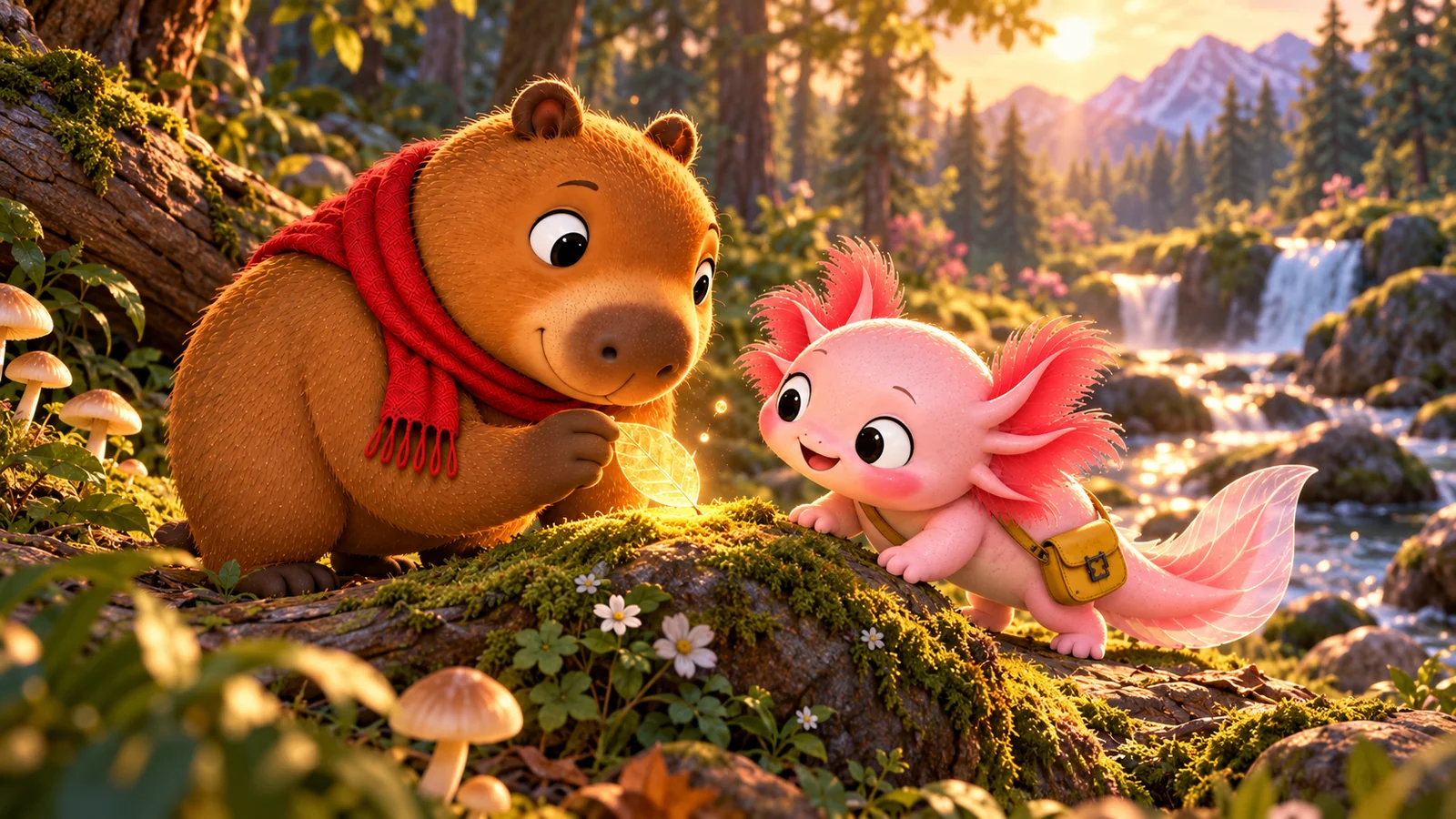
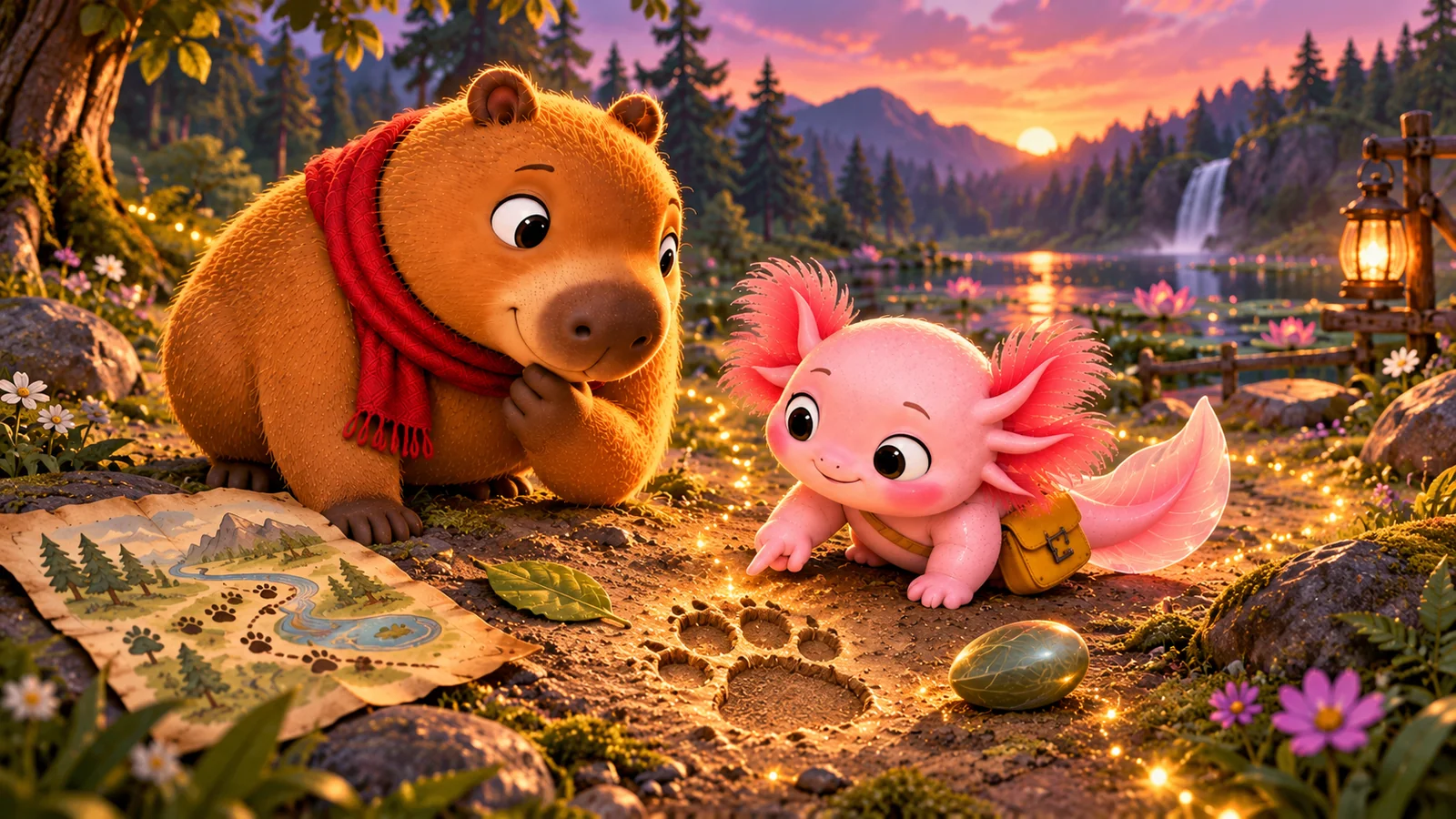
A small finger lands on a muddy footprint in an illustration. “Who made that?” Your child leans closer. You were about to turn the page; now you are both looking at the same tiny detail, wondering where it leads.
Age-appropriate mystery stories for kids can make reading more participatory by inviting children to notice clues, predict outcomes and discuss possibilities. For ages 4–7, a gentle puzzle offers something to think about together, without needing frightening villains or complicated plots. The pleasure comes from having an idea and seeing what the story reveals.
That shared curiosity sits at the heart of Pebalo & Lixi: one friend pauses to think, the other wants to explore. Their different approaches make room for the child beside you to join in, too.
In this article
Why Young Children Naturally Love a Mystery
A sock disappears. A strange sound comes from the garden. Someone has left a trail of crumbs. Everyday life already contains small unanswered questions, and a story gives that wondering a shape: something happens, someone investigates, something becomes clearer.
Children do not need to understand the rules of detective fiction to enjoy this pattern. “What happens next?” is enough. A picture might suggest an answer before the words do, giving a young listener something to contribute even before they can read independently.
Follow the question that catches your child's attention. It might be the main mystery, or simply why a character is carrying a bag. Both are invitations into the story.
Mystery Turns Reading From Listening Into Participating
A mystery can give children reasons to look back as well as forward. Was that leaf beside the pond earlier? Did the sound come before or after the door opened? Remembering one detail and comparing it with another offers a small opportunity to practise following a sequence.
Participation can be a sentence, a gesture or a thoughtful silence. A child who points at a clue is already sharing attention with you. You can respond with “You noticed that!” and leave room for their next thought.
Listening quietly also belongs in story time. There is no need to turn every page into a task. Let the plot carry you along when that is what your child enjoys.
Mystery Stories Can Introduce Children to New Words
Stories place unfamiliar words inside meaningful situations. A footprint is easier to discuss when a picture shows a mark in the mud. A glimmer has something to do with the little light between the trees. Illustrations, context and a parent's brief explanation can work together.
Try one useful word rather than a list. “Investigate means looking more closely to find out.” Later, you might invite your child to investigate where a toy rolled. Words such as clue, whisper, trail, discover and wonder can travel naturally from a book into play.
The Iowa Reading Research Center's guidance on conversation around books describes opportunities to discuss vocabulary, meaning and story structure during shared reading. This supports a conversational approach; it does not mean every story automatically produces vocabulary gains.
On another reading, a familiar phrase may invite your child to join in. Enjoy the recognition without asking them to memorise it.
Stories Give Imagination Somewhere to Go
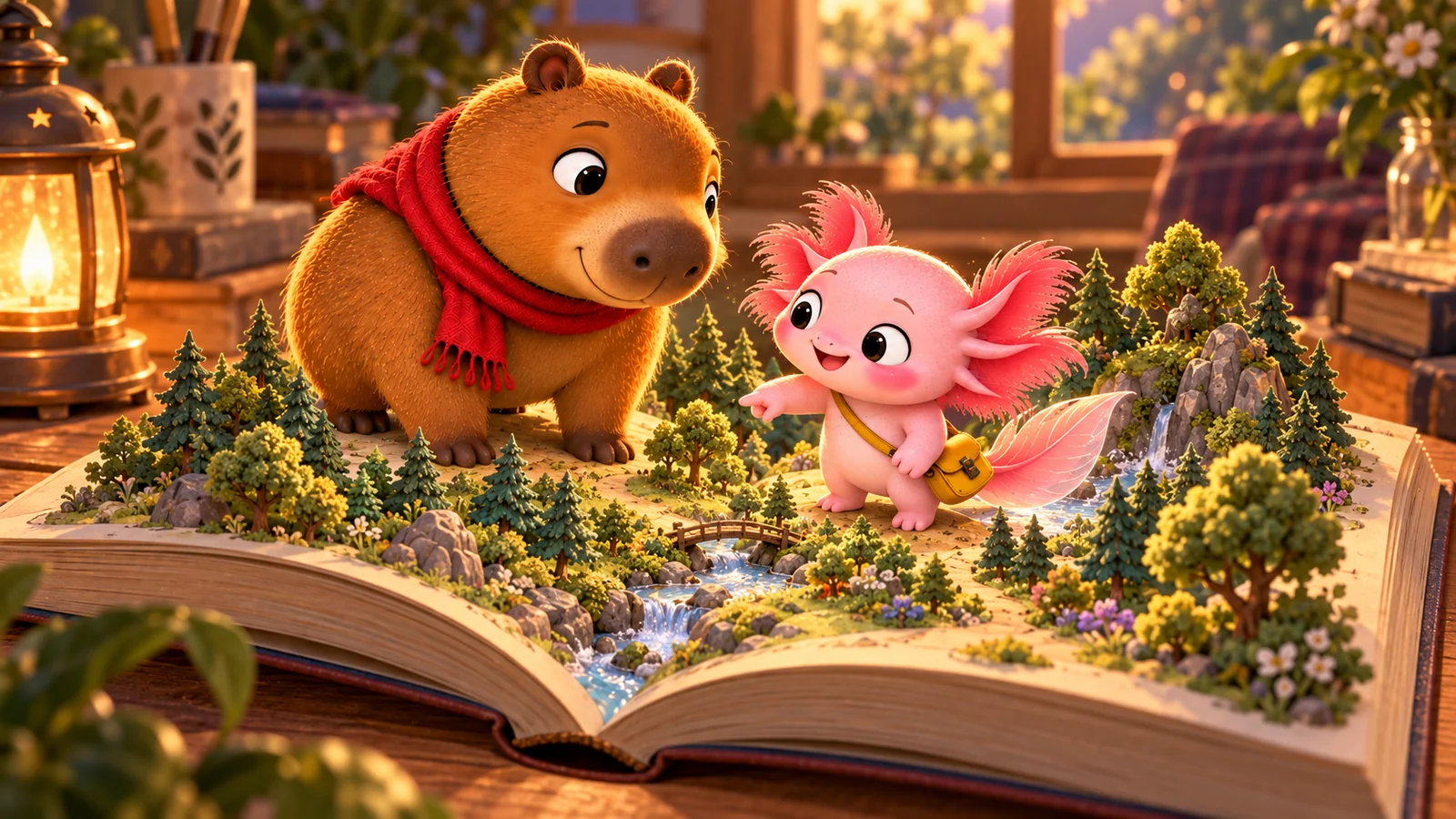
An illustration ends at the edge of the page, but a child's questions do not have to. Where does that path lead? What is behind the tree? What would I do if I were Lixi? Could there be another clue?
These questions allow children to extend a setting and invent possibilities. The answer does not always need to match the author's ending. You can hold two ideas at once: what happened in the book, and what might happen in your own version.
After reading, leave a pencil nearby. A child might draw a new path or give the friends another problem to solve. An unfinished scribble or a spoken idea is enough; imagination needs no polished final product.
Shared Reading Creates Connection
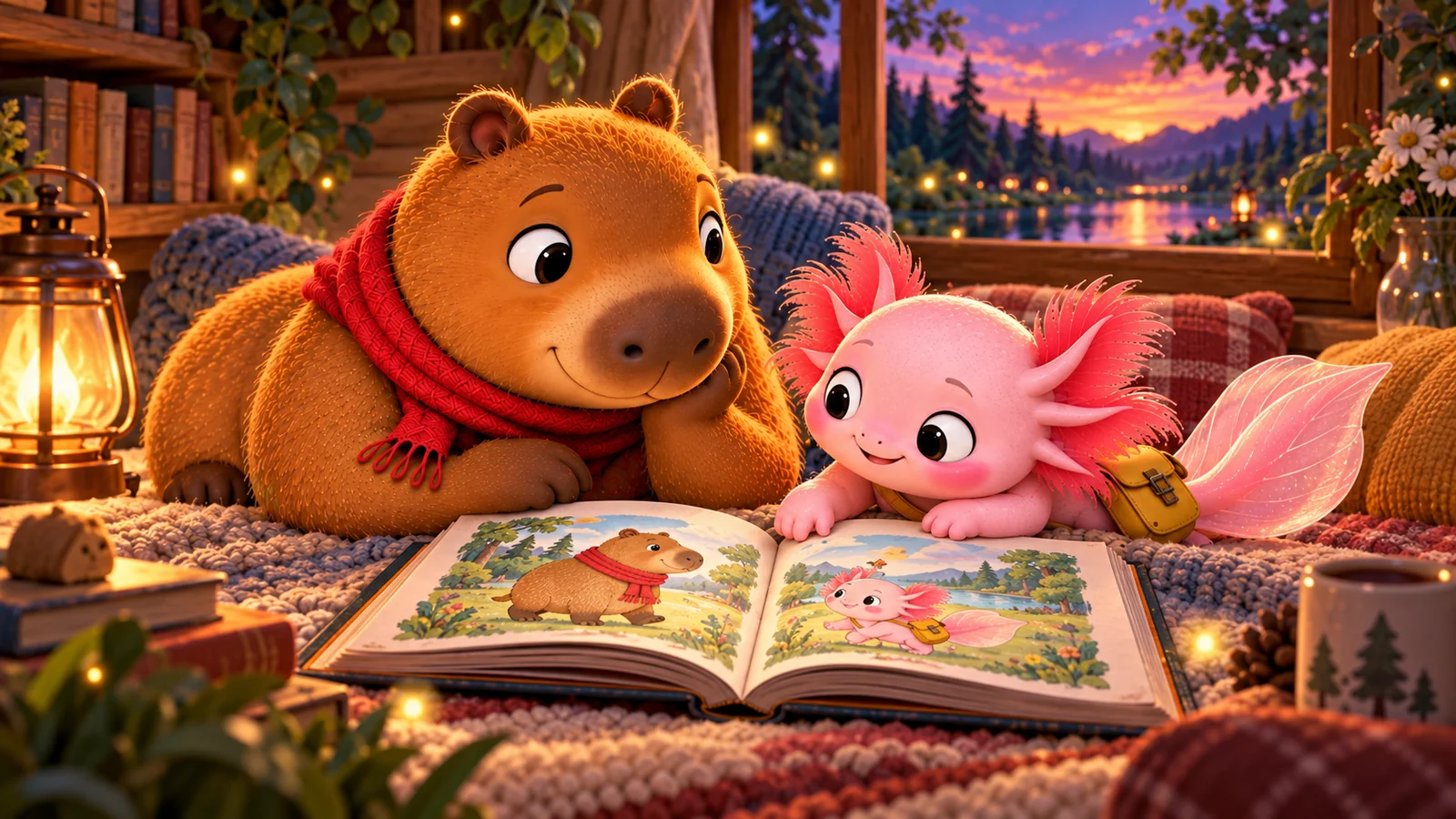
When you sit beside a child with a book, you share a small space of attention. You can see the eyebrow lift, hear the whispered guess and notice the moment a picture becomes funny. Those responses help you follow the child's experience of the story.
Perhaps you both make an exaggerated listening face whenever Pebalo pauses. Perhaps Lixi's next adventure becomes an inside joke at breakfast. A favourite character offers an easy starting point for conversation on a day when “How was school?” gets very little response.
The lasting detail may be your funny whisper, the cushion you shared, or the extra minute before the light went out. None requires a perfect reading voice or an elaborate routine.

Books Can Become Part of Childhood Memory
A familiar book can acquire a place in family life: beside a grandparent's chair, in the bag for a long journey, or on the sofa during a rainy afternoon. Repeated readings give those places their own phrases and small rituals.
“Again,” your child says, even though the ending is no surprise. This time, they might turn the pages, recognise an illustration or remind you to use the right voice. The shared experience changes as their part in it grows.
Keep a few loved books within reach and let your child choose when possible. Library books and borrowed favourites can become just as meaningful. A growing relationship with reading does not depend on buying something new each week.
Why Gentle Mystery Matters for Ages 4–7
For young readers, suspense works best when curiosity remains comfortable. A missing object or an unexplained sound can be intriguing; a threatened character or frightening illustration may feel very different. An age label is a starting point, not a promise about every child's response.
Preview unfamiliar books, especially before bedtime. Look at the pictures, the source of the uncertainty and how it is resolved. Notice whether your child leans in with interest or asks to stop. You can explain an ending early, skip a page or choose another story.
Gentle mystery aims for “I want to know what happens next.” There is no benefit in insisting that a worried child finish. A daytime read may suit an exciting adventure better than the last few minutes before sleep.
How Pebalo & Lixi Turn Curiosity Into Adventure
Pebalo is a thoughtful capybara who notices and reflects. Lixi is a curious axolotl who asks questions and explores. Together, they offer two ways into a mystery: taking time with what is visible and wondering what else might be found.
A child may recognise their own careful approach in Pebalo, or their eagerness in Lixi. They may switch between the two from one page to the next. Neither approach needs to win; friendship makes space for different ideas.
You can meet Pebalo and Lixi in our introduction to the duo, then visit their character hub. When you read together, try noticing how pausing and exploring can both move a story forward. For a particular adventure, find The Three Knocks Under the Pond on Amazon.
How Parents Can Make Mystery Reading Even Better
Choose one of these ideas when it suits the moment:
- Pause before the reveal. Leave a little space for a guess, then continue if your child would rather listen.
- Ask what they notice. Start with something visible instead of testing whether they remember a detail.
- Welcome a wrong guess. “That could have happened” keeps the conversation open while you discover the actual ending.
- Return to an earlier picture. Compare the clues together, with your child helping to turn the pages.
- Ask what they would investigate. Let them choose a detail, even one you had not noticed yourself.
Want a few prompts ready for next time? Explore our 10 questions to ask your child while reading a mystery story. Use whichever feels natural, then put the questions aside and enjoy the book.
The Real Value of a Children's Book
No single book performs magic. What a loved book offers is a repeatable invitation: sit here, look at this, tell me what you think. Language, imagination and affection can meet in those ordinary exchanges.
A reading habit can grow from positive experiences repeated over time. A familiar time of day may help, but families need flexibility. Some evenings allow one page; other afternoons allow three stories. Missing a day does not erase the pleasure already shared.
Returning to familiar characters can be part of that pleasure. Tomorrow, your child might mention Lixi while examining a puddle, or decide to “think like Pebalo” before searching for a missing toy. The book has ended; the wondering has found somewhere else to go.
Explore a Mystery With Pebalo & Lixi
If this sounds like a story time your family would enjoy, browse the Pebalo & Lixi books and choose an adventure that catches your child's eye. Or visit Mystery Corner for a small shared discovery before you choose a book.
There is no need to solve everything tonight. One picture, one question and a little time beside each other can be a lovely place to begin.
Original editorial illustrations for the SASAGI Journal; not reproductions of published book pages.